-
HACCP Certification – Strengthening Food Safety Standards
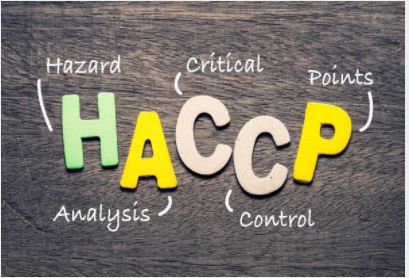
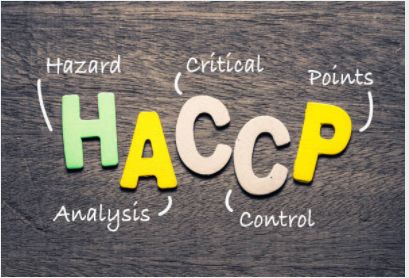
HACCP Certification helps food businesses establish a systematic approach to identifying, evaluating, and controlling food safety hazards throughout their operations. HACCP, or Hazard Analysis and Critical Control Points, focuses on preventing biological, chemical, and physical hazards before they affect consumers. It supports consistent food handling, processing, storage, packaging, and distribution practices. HACCP certification demonstrates an organization’s commitment to maintaining effective food safety controls and meeting applicable customer and regulatory expectations. It is suitable for food manufacturers, restaurants, hotels, catering companies, bakeries, dairy businesses, and other organizations involved in the food supply chain. By implementing HACCP principles, businesses can reduce food safety risks, improve operational controls, and strengthen customer confidence.